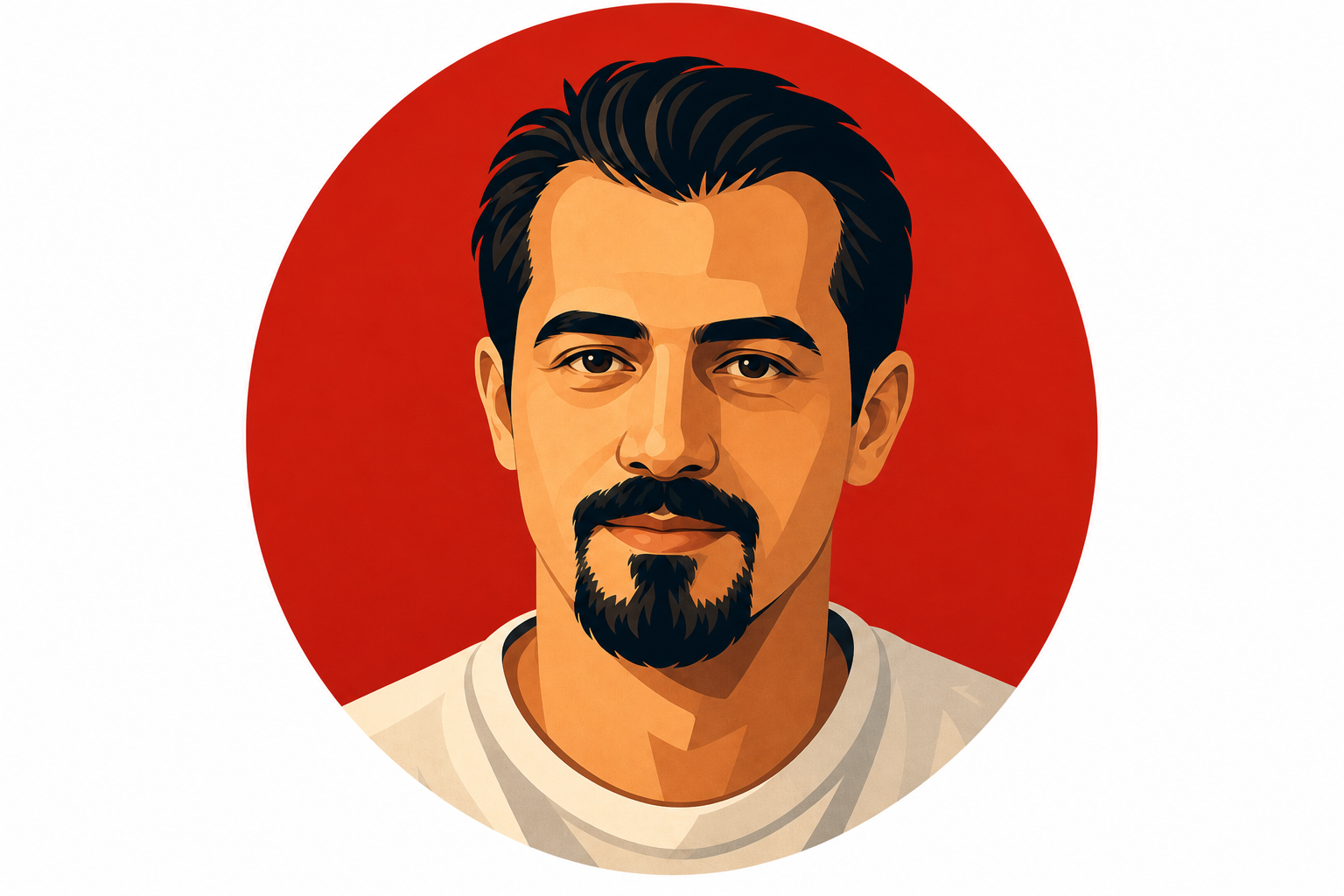
The Unreleased Archives of Bassel Khartabil — Open Hardware, Heritage, and What’s Still Hidden
Celebrating Bassel Khartabil — 22 May 1981 – 22 May 2026
Today we mark Bassel Khartabil’s birthday and the living legacy of his work: open hardware and open software, maker culture, cultural‑heritage rescue, and the global struggle for an open internet.
Who he was
Bassel Khartabil (Bassel Safadi) was a Palestinian–Syrian technologist and activist who linked open culture with practical tools: founding Aiki Lab in Damascus, helping build Creative Commons Syria, contributing to Mozilla and Wikipedia, co‑founding New Palmyra to digitally preserve Syrian heritage, and working with Fabricatorz and open‑hardware communities. He was arrested in 2012 and later executed in 2015; his detention and death galvanized international support for internet freedom.
What he would likely be doing now (concrete details)
- Leading open‑hardware and maker projects (Qi‑Hardware style collaborations), publishing reference designs, tooling, and open firmware to enable low‑cost, regionally manufacturable devices for education and resilient communications.
- Scaling Fabricatorz programs: running distributed makerspaces, hardware fab trainings, and community micro‑manufacturing initiatives to lower barriers for creators across the MENA region.
- Deepening Wikimedia engagement: organizing edit‑athons, localization efforts, bot/tool development, and partnerships to expand Arabic‑language knowledge and preserve local histories on Wikipedia.
- Expanding New Palmyra into a mature heritage‑tech platform: systematic 3D scanning/photogrammetry pipelines, open datasets, AR/VR learning experiences, and reproducible workflows so communities can rebuild, teach, and exhibit destroyed sites.
- Mentoring and institution‑building: launching fellowships, scholarships, and training programs (coding, digital preservation, open licensing), and creating governance models that keep projects community‑owned.
- Building privacy‑respecting, decentralized publishing and collaboration tools to help artists, journalists, and archivists operate under surveillance and censorship.
The continuing ripple since his passing
- Memorial fellowships and funds inspired by Bassel have funded digitization, oral histories and community projects that mirror the initiatives he would likely lead, turning individual efforts into sustained programs.
- New Palmyra and allied teams extended his early 3D reconstructions into an ongoing international archive—public models, exhibits and toolchains that continue to inform scholars, museums and educators.
- Fabricatorz‑style maker and open‑hardware activities, plus Wikimedia campaigns tied to his name, kept attention on capacity building in the region and the importance of open standards and open design.
The unreleased archives — why they matter
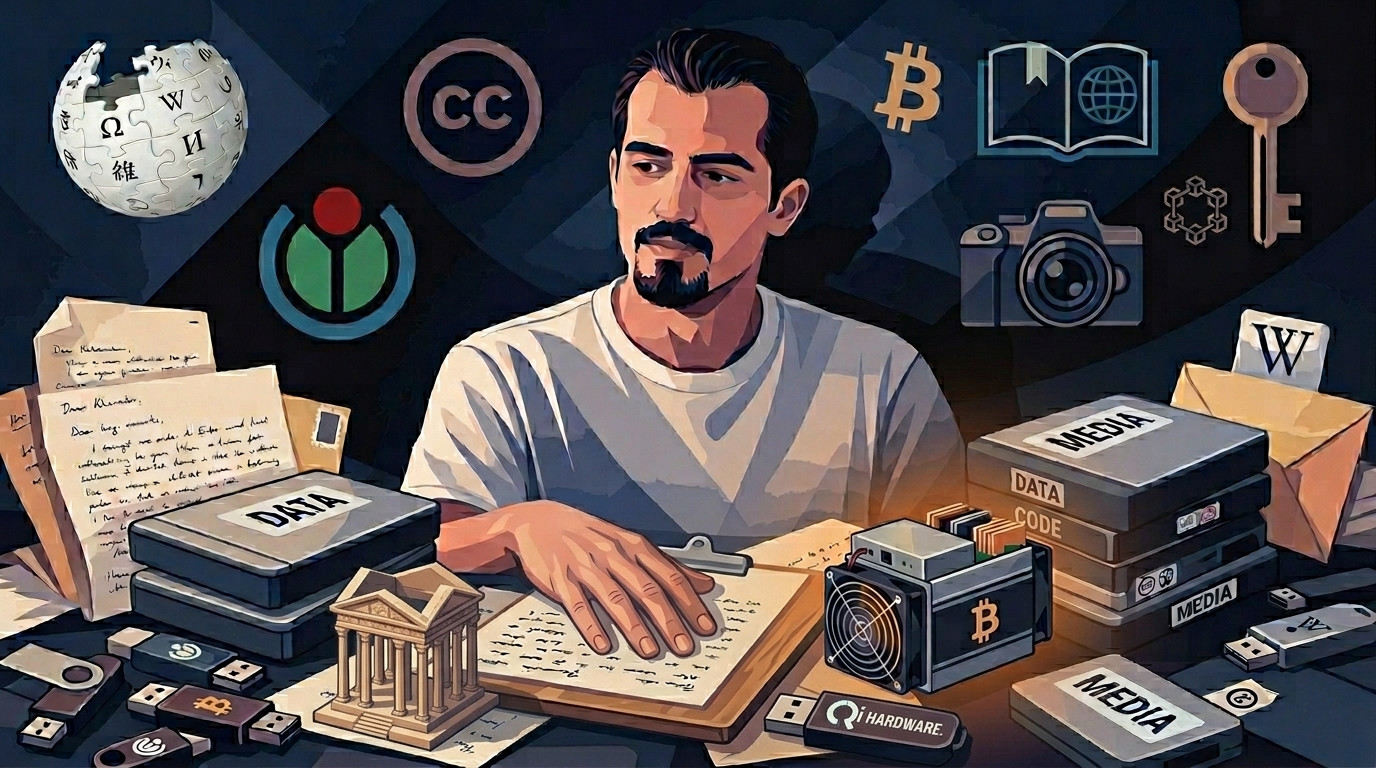
Bassel left behind extensive correspondence, project notes, design drafts, datasets and other materials—some public, some reportedly unreleased. If more of those archives were to surface and be responsibly published, they could:
- Reveal technical blueprints and reproducible workflows for heritage digitization and low‑cost hardware suited to constrained environments.
- Provide primary source testimony and contextual material that deepens historical understanding of Syria’s digital culture and civil society during the uprising.
- Seed new tools, datasets and educational curricula that accelerate local capacity for preservation, maker education, and resilient communications.
The prospect of such archives becoming available continues to excite historians, open‑culture practitioners, and technologists because they could materially change ongoing preservation and tech‑for‑good efforts.
A brief reckoning
Bassel has been gone 10 years, 7 months, and 19 days (3,884 days) as of today, 22 May 2026.
How to honor him today (practical steps)
- Run an edit‑athon to expand Arabic and Syria‑related Wikipedia content.
- Contribute to or organize workshops that teach open‑hardware, photogrammetry, or digital preservation methods.
- Support fellowships and memorial funds that finance community archives and open culture projects.
- Share New Palmyra models and materials under open licenses; adopt and improve reproducible pipelines for 3D heritage work.
Bassel’s vision tied technology to shared culture and collective memory. On his birthday we remember him by continuing the practical work he started: building open tools, training communities, and defending free access to knowledge.